

Understanding the Challenges of Gross Filth Cleanup

Gross filth cleanup is a topic many don't like to discuss, but it's an essential service that restores safety and sanitation. Whether caused by hoarding, neglect, or unfortunate events, these extreme cleaning scenarios require expertise, patience, and a meticulous approach. This blog aims to uncover the challenges associated with gross filth cleanup and why it's more than just a mop and bucket.
Defining Gross Filth Cleanup
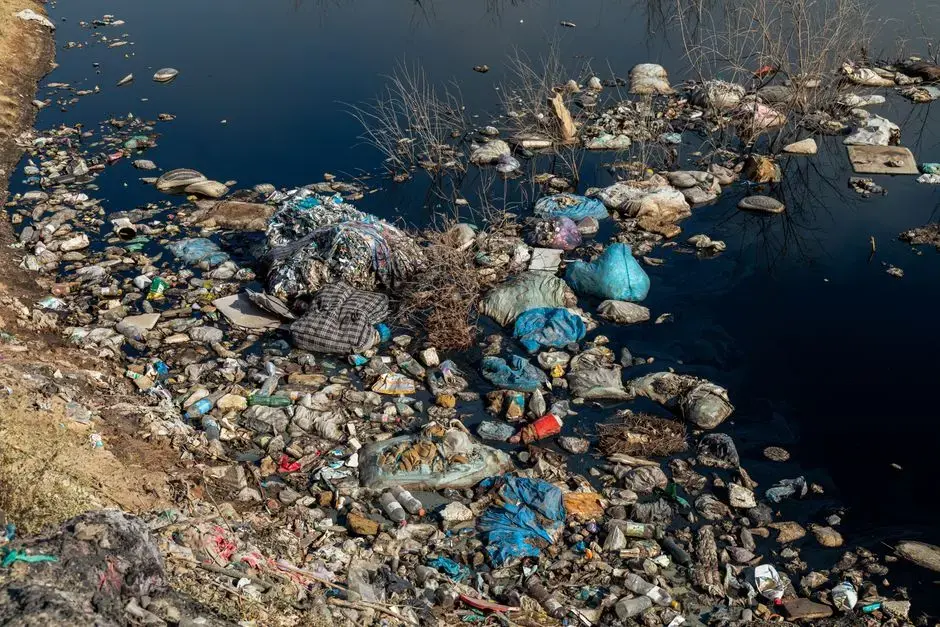
Gross filth cleanup involves handling spaces that have been severely neglected, contaminated, or in extreme disarray. It's a service that transforms environments from hazardous to livable, often requiring specialized knowledge and equipment.
At its core, gross filth cleanup is not just about the removal of physical debris. It's about restoring dignity and creating a safe environment for inhabitants. Whether due to hoarding, natural disasters, or other incidents, these situations often leave spaces overwhelmed with clutter, pests, and biohazard materials. This kind of cleaning isn't for the faint-hearted or untrained. It demands an understanding of various cleaning chemicals, the ability to handle hazardous materials safely, and an approach rooted in empathy and respect.
It's important to note that gross filth cleanup is vastly different from regular cleaning services. While routine cleansing focuses on dirt and clutter, gross filth situations are cluttered with potential health hazards like mold spores, bacteria, and other contaminants. Specialized cleaning companies, therefore, deploy trained professionals who utilize a variety of tools and techniques designed to tackle the most extreme conditions efficiently.
The Psychological and Emotional Impact
Beyond the physical mess, gross filth cleanup often involves sensitive situations. Whether related to hoarding or a traumatic incident, these situations require compassion and understanding alongside effective cleanup strategies.
The emotional aspect of gross filth cleanup shouldn't be underestimated. For many individuals, their living conditions are tied to profound psychological issues, which can range from compulsive hoarding to post-traumatic stress. Approaching these situations requires not just cleaning prowess but also sensitivity and tact. Professionals often find themselves navigating the delicate balance of cleaning while preserving the dignity of the individuals involved.
Effective cleanup in these environments necessitates collaboration with mental health experts. Understanding the link between emotional well-being and physical surroundings can significantly improve outcomes. Therefore, cleanup teams must be prepared not only to sanitize effectively but also to handle the emotional narratives interwoven within these spaces, often becoming a crucial part of an individual's path to recovery.
Safety Concerns and Precautions
Safety is paramount in gross filth cleanup due to the potential presence of biohazards, mold, and other dangerous substances. Professionals must prioritize protective equipment and protocols to mitigate health risks.
It's essential to recognize the serious health risks associated with gross filth environments. These areas can harbor biohazards such as human waste, bodily fluids, and even chemicals that can cause severe illness if not handled correctly. Thus, personal protective equipment (PPE), including disposable gloves, masks, and full-body suits, is non-negotiable in ensuring the safety of cleanup personnel.
Furthermore, companies undertaking gross filth cleanup must adhere to local and federal regulations regarding the handling and disposal of hazardous materials. This precaution is vital to prevent public health risks and environmental contamination. With trained professionals who are equipped with the right safety gear, these tasks can be carried out efficiently, minimizing the risk for all involved.
Specialized Tools and Techniques
Handling gross filth requires more than generic cleaning supplies. Specialized equipment and techniques are necessary to address biohazardous materials and deeply embedded grime, ensuring thorough sanitation.
One size does not fit all in gross filth cleanup. Specialized tools like industrial-strength vacuums, steam cleaners, and chemical disinfectants are often required to tackle the tough conditions presented by such environments. Moreover, the use of ozone generators and deodorizers can also be essential in eliminating lingering odors associated with gross filth.
The techniques employed go beyond mere surface cleaning. Professionals often use bio-wash processes, encapsulation methods, and enzyme treatments to break down biological contaminants at a molecular level. These advanced cleaning practices ensure that spaces are not just visibly clean, but also sanitized and safe for future use.
Why Professional Help is Often Necessary
While some may attempt DIY solutions, the scale and complexity of gross filth cleanup often demand professional intervention. Trained experts are equipped to handle the physical and potential emotional challenges efficiently.
The magnitude of gross filth situations is often overwhelming for individuals. Professional cleanup services offer the necessary expertise, equipment, and tact to tackle the layers of challenges presented. They understand the particular needs of such environments and can address issues ranging from persistent stains to hazardous waste removal efficiently.
Skilled professionals not only bring their adept knowledge and tools but also ensure compliance with all health and safety regulations. This compliance is paramount in protecting property occupants and the wider community, making the investment in professional services a wise and necessary decision.
Embracing the Complexity of Gross Filth Cleanup
Gross filth cleanup is a demanding and critical process that often goes unnoticed. It requires a blend of skill, understanding, and respect for those involved. By appreciating the challenges and complexities of this type of cleanup, we can better support those who perform this vital work and ultimately create healthier, safer environments.


Comments