

7 Essential Steps for Effective Infectious Disease Cleanup

Dealing with infectious diseases can be a daunting task, especially when it comes to effective cleanup. Ensuring that the environment is safe and free from harmful pathogens is crucial to prevent further spread. In this guide, we'll walk you through seven essential steps you need to follow for efficient and thorough infectious disease cleanup.

1. Understanding the Risks Involved
Before diving into the cleanup process, it's crucial to understand the potential risks associated with the infectious disease you're dealing with. Every disease, from the common flu to more severe illnesses like COVID-19, carries specific challenges and potential dangers. For instance, some pathogens can survive on surfaces longer than others, increasing the likelihood of transmission through contact. Recognizing these nuances helps in tailoring your cleaning approach effectively. Detailed studies about the nature of various pathogens can provide valuable insights into their survival rates and transmission modes, guiding your safety measures accordingly.
Beyond understanding the pathogens themselves, it's important to be aware of the environments most conducive to their spread. High-traffic areas such as public restrooms, hospitals, and schools are particularly vulnerable to outbreaks and demand rigorous sanitation practices. Additionally, climates with high humidity levels may also encourage the proliferation of certain germs. A comprehensive assessment of the environment in question enables the implementation of strategies well-suited to mitigating risks – essential when creating a robust action plan. This preliminary evaluation forms the backbone of any successful infectious disease cleanup endeavor.
2. Gathering the Right Supplies
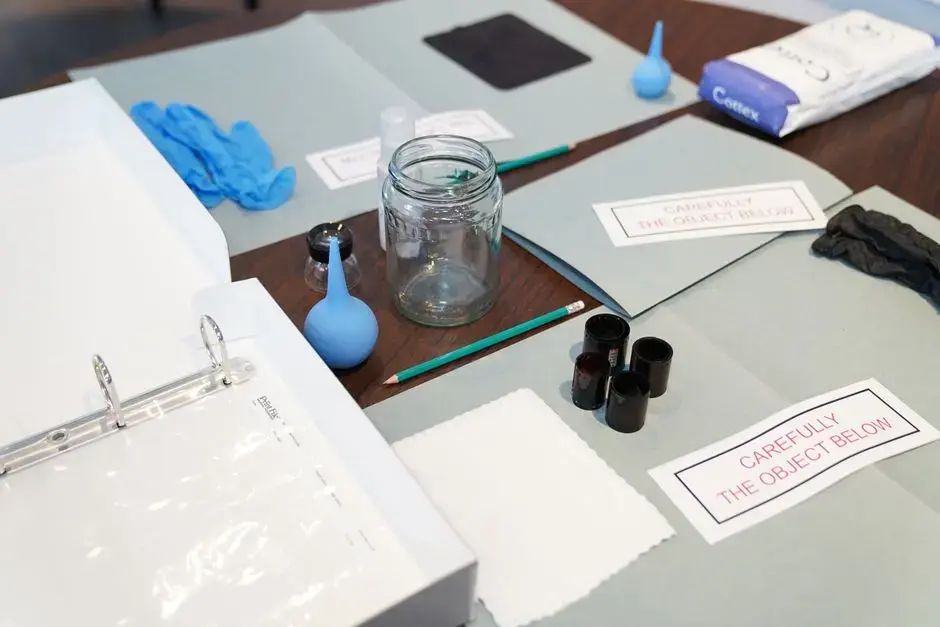
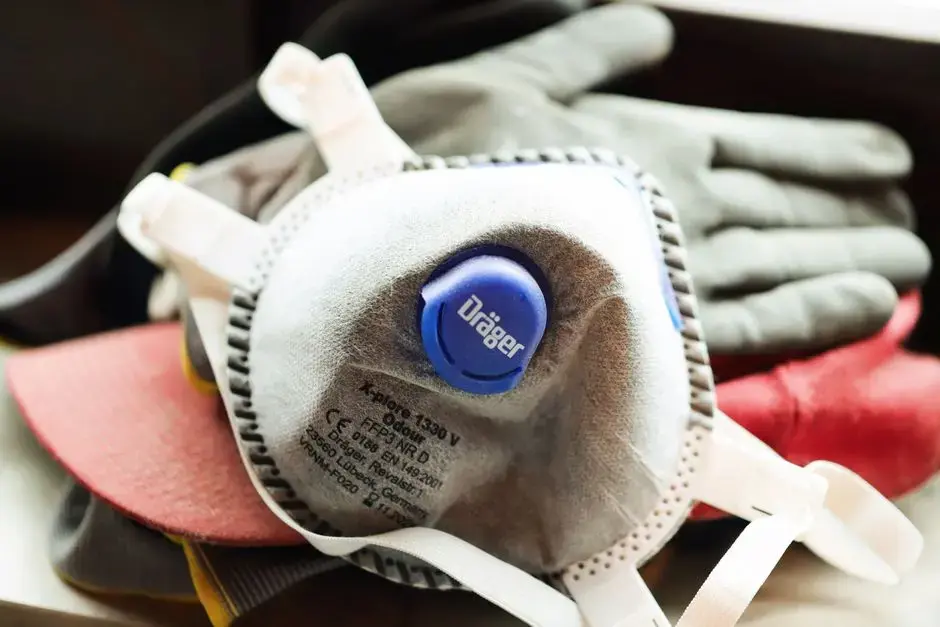
Having the right tools and supplies is essential for a thorough cleanup. This includes personal protective equipment (PPE) like gloves, masks, and gowns, as well as EPA-approved disinfectants designed to neutralize specific types of pathogens. The choice of disinfectant is critical, as not all cleaning agents are effective against every microorganism. For example, solutions with at least 70% alcohol content are necessary to combat viruses like SARS-CoV-2 effectively. It’s not just about having supplies on hand; it’s about selecting those that match the challenge at hand.
In addition to PPE and disinfectants, investing in proper waste disposal bags is vital. These bags should be clearly labeled to avoid any mishandling and designed for biohazard materials to ensure proper containment and disposal. Consider equipping your team with high-efficiency particulate air (HEPA) filters in situations where airborne transmission is a concern. Establishing a complete supply checklist enables quick action and adjustment in response to evolving circumstances. Physical readiness is a cornerstone of efficient infectious disease cleanup.
Ensuring staff training on the correct use of equipment is just as crucial as the supplies themselves. Proper training in the application of disinfectants and the donning and doffing of PPE reduces the risk of cross-contamination and enhances safety. Continuous learning sessions can be beneficial as they ensure that procedures evolve with new findings and technologies. This layer of preparedness not only boosts morale but also assures a higher standard of hygiene and safety throughout the cleanup process.
3. Establishing Safety Protocols
Establishing clear and comprehensive safety protocols is a foundational step in effective infectious disease cleanup. These protocols should include detailed procedures for safely entering and exiting contaminated areas, applying disinfectants effectively, and disposing of hazardous materials. It’s necessary to outline proper hygiene practices such as hand washing, use of hand sanitizers, and safe removal of contaminated clothing. Each step reduces the potential for accidental exposure and ensures that all team members are on the same page.
Protocols must also emphasize proper communication and documentation. Maintaining a log of cleanup activities helps track progress and pinpoint areas needing attention. Supervisors can reference these logs to ensure that procedures are correctly followed and to address any procedural lapses immediately. This is crucial during large-scale cleanups where consistency across shifts and teams is essential to prevent any discrepancies in the safety standards adhered to.
Encourage a culture of safety by promoting accountability. Team leaders should conduct regular reviews and debriefings to discuss what went well and where improvements can be made. These sessions foster an open environment for discussing concerns and offering suggestions, allowing protocols to adapt to real-world requirements rather than remaining static. This proactive ethos not only improves the effectiveness of the cleanup operation but also enhances the overall safety of everyone involved.
4. Cleaning and Disinfecting Surfaces
A thorough cleaning and disinfection process is critical for breaking the chain of infection. Start with mechanical cleaning, which involves removing visible dirt and debris from surfaces. High-touch areas, such as doorknobs, light switches, and countertops, should be prioritized because they are hotspots for germ transmission. Next, use an appropriate disinfectant that targets the specific pathogens implicated. Pay attention to the dwell time—the amount of time the disinfectant needs to remain on a surface to be effective. Different products have different requirements, and adhering to them is paramount for efficacy.
It’s important to incorporate a systematic approach to avoid missing spots or re-contaminating sanitized areas. Working from clean to dirty areas, from high to low, minimizes cross-contamination risks. Using color-coded cloths can help prevent unintentional transfer of pathogens between zones. Strategies such as these finesse the process into one that's both meticulous and efficient, maximizing the impact of your cleaning efforts.
For environments with extensive surface areas like conference halls or gymnasiums, consider using innovative equipment such as electrostatic sprayers. These devices ensure even distribution of disinfectants across broad spaces and hard-to-reach areas, optimizing both time and resources. Staying abreast of technological advancements enables you to deliver superior cleanliness with greater efficiency—truly a win-win in the context of infectious disease management.
5. Proper Waste Disposal
Waste management is an integral part of infectious disease cleanup. Ensure proper disposal of contaminated materials to reduce the risk of exposure. Designate special containers for hazardous waste and clearly label them to avoid handling errors. Protocols for safely sealing and transporting these containers to disposal facilities should be well-established and adhered to by everyone involved in the cleanup process.
Special attention should be given to the disposal of PPE, as these items can become heavily contaminated during use. Provide easy access to disposal sites to ensure immediate and proper containment post-use, reducing the chance of any breaches in sanitation protocols. Also, ensure that transport vehicles used for waste removal are regularly cleaned and disinfected to prevent any inadvertent transfer of pathogens back to work areas.
6. The Importance of Communication
Effective communication with your team is fundamental to ensuring a safe and efficient cleanup process. Foster an environment where team members feel empowered to ask questions and report incidents without fear of retribution or ridicule. Implementing tools such as walkie-talkies and communication apps can facilitate the swift relay of information, especially in large-scale operations where team members may be dispersed over a wide area.
Regular briefings or 'toolbox talks'—short, focused discussions at the start of each shift—can help reiterate key protocols and address any changes in the cleanup strategy. This practice ensures that everyone involved is updated with the latest information and understands their roles clearly. Besides, these discussions are valuable opportunities to reinforce a shared commitment to safety and efficiency among the entire team.
7. Conducting a Final Inspection
Once the cleanup is complete, conducting a final inspection is imperative to verify that all areas have been properly sanitized and that safety protocols were strictly followed. This is not just a cursory check but a detailed review that may involve the use of specialized equipment like ATP (adenosine triphosphate) testing meters to assess the effectiveness of cleaning procedures. Any areas failing to meet the required standards should be re-evaluated and addressed before the environment is reopened to occupancy.
The inspection should also involve a debriefing session with the cleanup team to discuss what worked well and where improvements can be made for future operations. Documenting these insights ensures that valuable lessons are not lost and can contribute to more effective and efficient cleanups in subsequent scenarios. This continual learning mindset acts as a cornerstone for evolving best practices in infectious disease management.

Comments