

10 Crucial Steps in Biohazard Cleaning After a Crime Scene

Cleaning up a biohazard after a crime scene is a crucial and sensitive task, requiring thoroughness and care. This guide walks you through the vital steps to ensure a safe and effective cleanup process.
1. Understanding the Risks Involved
Before diving into cleaning, it’s important to understand the potential risks associated with crime scenes, including exposure to harmful pathogens and hazardous materials. Biological fluids, for instance, can harbor bacteria and viruses that pose serious health threats. Recognizing these dangers allows cleaners to implement necessary precautions, ensuring not only their safety but also that of others who might be exposed later.
Moreover, understanding the legal implications tied to a crime scene is crucial. Mishandling evidence or improper cleanup can have significant legal consequences, which is why adhering to guidelines and maintaining proper documentation throughout the process is paramount for compliance with local regulations.
2. Gathering the Necessary Protective Gear
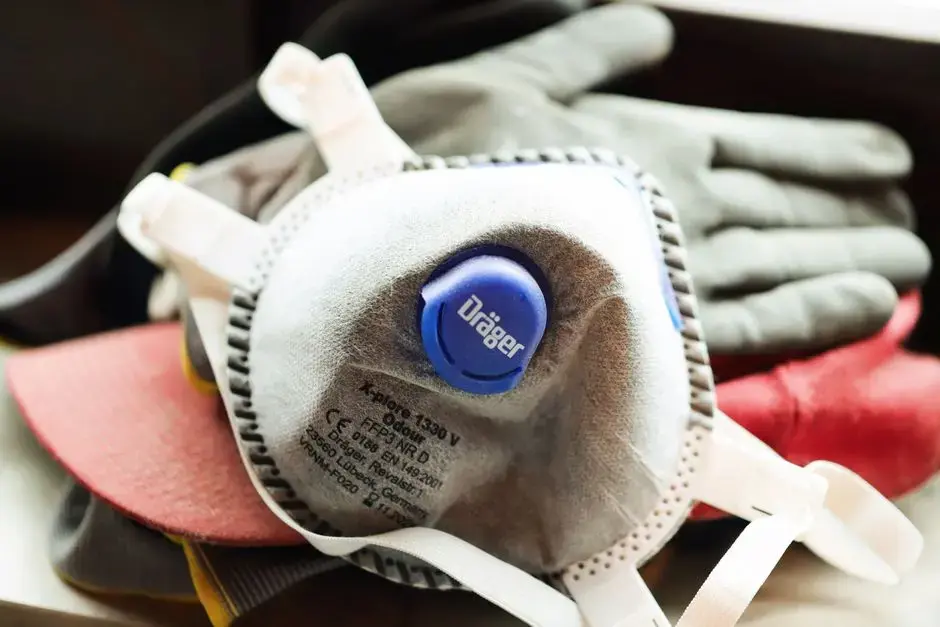
Proper protective gear is crucial. This includes gloves, masks, goggles, and protective suits to safeguard against harmful exposure. The effectiveness of your gear is highly dependent on the material quality and fitting, so it's advised to select equipment certified by reliable sources. Using full-body suits and respirators can prevent inhalation of airborne pathogens or contaminants, which might not be visible but are extremely dangerous.
It's also worth noting the importance of regular gear checks. Consistent monitoring for wear and tear ensures that protective measures remain intact throughout the entire cleaning process. This vigilance helps in maintaining a barrier between the team and any potential hazards in the environment.
3. Securing and Assessing the Area
Seal off the crime scene to prevent contamination of clean areas and assess the degree of contamination to determine the scope of the cleanup. Establishing a secure perimeter not only controls traffic through the area but also helps preserve any remaining evidence. This is vital for aiding law enforcement in their investigations while ensuring the workspace remains safe for the cleanup crew.
An initial walk-through of the site helps identify the sources of biohazardous material. This involves visually inspecting the area for any signs of biological fluids or decomposition, which can often be detected through odor or discoloration. Documenting these findings will guide the cleanup strategy.
4. Developing a Cleanup Plan
A structured plan is essential to ensure nothing is overlooked. This includes identifying all contaminated items and areas that need decontamination. Laying out a comprehensive strategy not only ensures thoroughness but also enhances efficiency. A detailed checklist can prove invaluable in keeping track of each phase in the cleaning operation.
Collaboration with local health departments can provide additional insights and resources. Their expertise can reinforce cleanup strategies to align with public health protocols and ensure a more secure and systematic approach to handling biohazards within the community.
5. Removing Contaminated Materials
Carefully remove all contaminated materials, such as furnishings or wall coverings, to prevent further spread of hazardous substances. The process requires cautious removal and immediate containment of affected items in sealed biohazard bags or containers to minimize exposure to the wider area. Proper labeling ensures that these materials are tracked until their final disposal.
In some cases, structural elements like flooring or drywall may need to be removed. Making these decisions requires an understanding of biohazard regulations to identify acceptable levels of contamination and to decide whether cleaning or removal is most appropriate. Always consider the long-term safety and integrity of the environment in these evaluation processes.
6. Using Specialized Cleaning Agents
Select appropriate cleaning agents that are effective against specific biohazards while being mindful of their effects on different materials. It's essential to choose solutions that can neutralize specific pathogens without damaging surfaces. For example, EPA-approved disinfectants are effective against a wide range of viruses and bacteria.
Consider the environmental impact of cleaning agents as well. Opting for biodegradable products when possible can contribute to eco-friendly cleanup practices. Proper ventilation during cleaning helps in mitigating any potential side effects from chemical fumes, ensuring a safer approach for cleanup personnel and the environment.
7. Disinfecting the Crime Scene
Following the removal of contaminants, thoroughly disinfect all surfaces to eliminate remaining pathogens and ensure the area is safe. This step is crucial to prevent future outbreaks of disease and to reassure anyone returning to the area that it is entirely safe and restored.
Aside from surface disinfection, it's important to address the air quality. High-efficiency particulate air (HEPA) filters can be installed as part of air scrubbers to remove airborne particles, which further guarantees a pathogen-free environment post-cleanup.
8. Proper Disposal of Biohazard Waste
Handle all biohazardous waste according to local regulations to ensure safe and legal disposal. This is vital for community health and safety. Working with licensed waste management companies can ensure that all materials are disposed of in compliance with state and federal guidelines.
Transporting waste must be done using secure, labeled containers to reduce risks during transit. Coordination with local authorities ensures paperwork accompanying waste is accurate and conforms to environmental laws, aiding in transparent and responsible waste tracking.
9. Conducting a Final Inspection
A detailed inspection helps ensure that the cleanup meets health and safety standards and confirms that the environment is safe for reentry. This step often involves testing for residual contaminants and verifying that all biohazard material removal has been conducted thoroughly.
Documenting results from this inspection can provide peace of mind to property owners and occupants, assuring them that the environment has been diligently restored to a safe state. Utilizing tools like ATP meters can provide quantifiable evidence of cleanliness, adding an extra layer of validation to the process.
10. Documenting the Cleanup Process
Keeping detailed records of the cleanup process aids in accountability and can be useful for both legal purposes and future reference. Documentation includes photography, reports, and cleanup logs which capture every detail of the operation to ensure transparency and completeness.
These records are invaluable during audits or if further legal investigation is required. They also serve as a blueprint for improving future biohazard responses, promoting efficiency and safety considerations in successive incidents.


Comments