

10 Essential Steps in Biohazard Cleaning: From Start to Finish

Biohazard cleaning might sound like a daunting task, but with the right approach and tools, you can tackle it safely and efficiently. Whether it's dealing with hazardous materials at a crime scene or cleaning up after a flood, understanding the essential steps involved can make all the difference. In this guide, we'll walk you through the necessary steps to ensure a thorough and safe biohazard cleanup.
1. Understanding the Hazards Involved
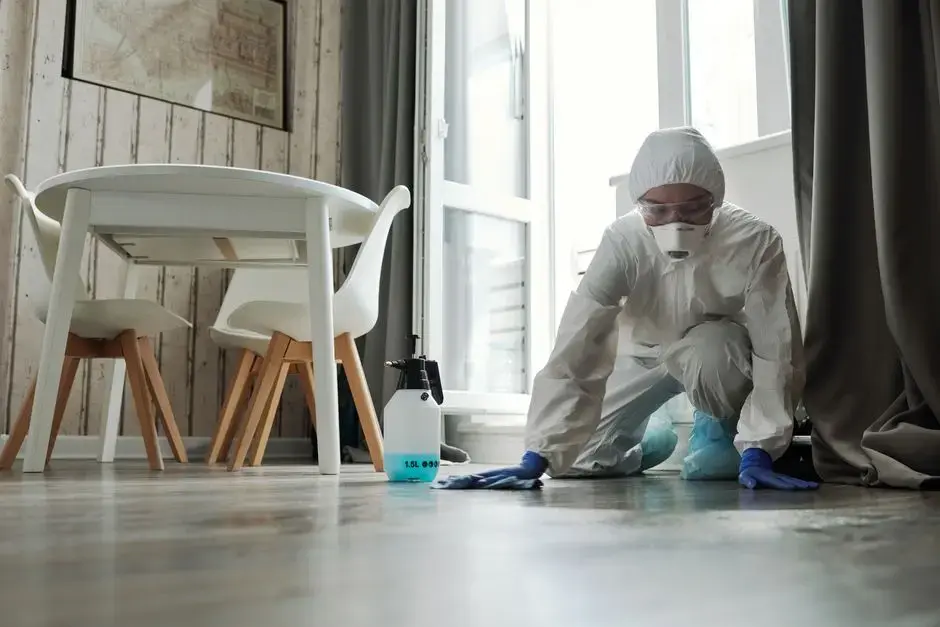
Before diving into the cleaning process, it's crucial to identify the type of biohazard you're dealing with. This could range from bodily fluids to chemical spills, each requiring different handling procedures. Understanding these hazards can significantly impact your approach to cleaning and the choice of materials used in the process. Specific guidelines and protocols exist for various types of biohazards, ensuring that cleanup activities not only abide by regulations but also safeguard public health. This step forms the foundation of a successful cleanup operation.
Moreover, acknowledging the nature of the biohazard allows for a more focused response. For instance, handling medical waste involves distinct procedures compared to managing chemical hazards. Tailoring your strategy to address the particular challenge can reduce risks and foster a better understanding among cleanup personnel of what's expected during the process.
2. Gathering the Necessary Equipment
Proper equipment is essential for any biohazard cleanup. This typically includes protective clothing, gloves, masks, and specific cleaning agents that can neutralize hazards. Having the right tools can dramatically reduce exposure to dangerous elements. Advanced equipment like HEPA filters and specialized containers for biohazardous waste are frequently used to minimize risk. Always source high-quality equipment from reputable suppliers to ensure reliability and effectiveness in hazardous environments.
Apart from the basic gear, sometimes specialized tools, such as respirators, are needed depending on the toxicity of the substances being cleaned. Investing in proper equipment might demand an upfront cost but it significantly protects health and ensures the cleanup process adheres to established safety standards.
3. Ensuring Personal Safety
Safety should always come first. Ensure that all personnel involved are equipped with personal protective equipment (PPE) and understand the risks involved in handling dangerous materials. It's important to conduct regular training sessions and drills, as these prepare the team to respond appropriately under real conditions. Adequate education regarding the use of PPE, as well as the specific hazards present, empowers employees to take necessary precautions, minimizing potential accidents.
Another crucial aspect of safety is recognizing the limitations of PPE. Even the best gear can only protect against specific hazards, and ensuring it is fit for purpose through regular inspections is key. Consider the comfort and fit of the equipment, as prolonged exposure to ill-fitting PPE can lead to fatigue and decreased attention to detail during cleanup operations.
4. Creating a Detailed Action Plan
Having a step-by-step plan is vital. This ensures that nothing is overlooked during the cleanup process and helps maintain a systematic approach for effective results. Start by assessing the site to estimate the scope of the work and identify all the biohazard elements involved. Once this is established, define clear objectives and timelines for each phase of the cleaning process. Detailed plans guide the team through each step, reducing errors and improving efficiency.
In devising your plan, make sure to incorporate contingencies for unforeseen events. A robust action plan includes factors such as communication protocols, backup equipment, and additional safety measures, creating a resilient strategy that can withstand challenges during execution. This kind of preparation not only boosts the cleanup crew's morale but also paves the way for a quicker return to normalcy for the affected area.
5. Containing the Affected Area
Preventing the spread of contaminants is critical. Establish barriers and secure the area to restrict access only to trained personnel. Containment is pivotal in managing both airborne and contact-based hazards, effectively minimizing the scope of potential contamination. Depending on the biohazard, procedures can range from simple signposting to complex seal-offs using temporary walls and negative air pressure systems.
When crafting your containment strategy, be sure to account for ventilation systems, as untreated air can circulate and carry contaminants to unaffected areas. Regularly monitor air quality and use specialized equipment to trap or filter potential pathogens, maintaining the integrity of the containment process.
6. Removing Biohazard Materials
Carefully remove all hazardous materials using appropriate tools and techniques. Ensure these are properly disposed of according to safety regulations. Not only does this safeguard health, but it also complies with environmental standards. Specific procedures depend on the nature of the waste; for instance, biological material may require incineration, while chemical waste often needs neutralization before disposal.
Utilize certified biohazard disposal units to manage the transport and permanent removal of hazardous elements. Careful adherence to guidelines ensures the process's effectiveness. Keeping accurate records of disposal practices not only aids compliance but demonstrates accountability, a crucial element in maintaining public trust.
For a comprehensive removal strategy, consider partnering with specialized companies that offer thorough hazardous material disposal services. This can enhance the efficiency of the cleanup process, as professional waste handlers are typically more adept at navigating regulatory environments and employing best practices.
7. Thoroughly Cleaning Surfaces
It's not just about removing the obvious contaminants. Surfaces should be thoroughly cleaned to ensure no biological traces remain. This generally involves using detergents and specialized cleaning agents designed to dissolve any residual matter, bacteria, and viruses. Thorough cleaning acts as the bridge between removal and disinfection, setting a solid foundation for the following steps.
Use techniques suited to the material being cleaned, as different surfaces can have varying reactions to cleaning agents. For example, porous surfaces might require additional care to ensure complete saturation and contamination removal. Tailor your approach to the problem, utilizing appropriate cleaning techniques to guarantee nothing is left unaddressed.
8. Disinfecting the Area
Use industry-approved disinfectants to eliminate any remaining pathogens. This is a crucial step to prevent potential health risks. By following up the cleaning process with effective disinfection, you ensure that even microscopic threats are neutralized, thus safeguarding future users of that space. Choose disinfectants proven to work against the specific biohazards identified during the initial cleanup stages.
Consistency is key to successful disinfection. Ensure that all surfaces are equally treated and maintain required contact times to achieve optimum effects. Monitor the airspace after disinfection, as pathogens can linger unseen. Reassess the environment to detect any stubborn threats, fine-tuning your methods as needed.
9. Conducting a Final Inspection
Once the cleanup is complete, a thorough inspection ensures that the area is safe and no hazards remain. This step is vital to verify the effectiveness of the cleanup. Inspections help pinpoint any areas that may require additional attention, serving as a second check before declaring the area safe for use.
Checklists and standardized criteria can streamline inspections, offering clear guidelines for what's expected. Employ technologies like thermal imaging and particle detectors to gain a comprehensive perspective on unseen contaminants. Such tools assist in verifying that the cleanup process was exhaustive and no potential health risks persist.
Feedback forms or checklists can also be issued to the cleanup team for insights on improving future operations, closing any gaps in procedures and establishing a resilient cleanup approach.
10. Documenting the Process
Accurate documentation of the cleanup process is important for legal and safety record-keeping. It proves that all necessary steps were taken to handle the biohazard situation correctly. This documentation should include detailed reports of the initial assessment, procedures implemented, personnel involved, and materials used, providing comprehensive visibility into the actions taken.
Beyond legal compliance, documentation is a critical learning tool. Reviewing incident reports allows teams to reflect on each operation, fostering a cycle of continuous improvement. When preserved, these documents serve as a foundation for training new employees and solidifying company procedures through empirical data.


Comments