

The Importance of Bacterial Decontamination in Crisis Cleaning

In times of crises, whether they be natural disasters, pandemics, or other emergencies, cleanliness becomes a top priority. While many might focus on the visible effects of cleaning, bacterial decontamination is a crucial, yet often overlooked, aspect. In this blog, we'll delve into why bacterial decontamination is vital during crisis cleaning and how it helps in maintaining public health and safety.
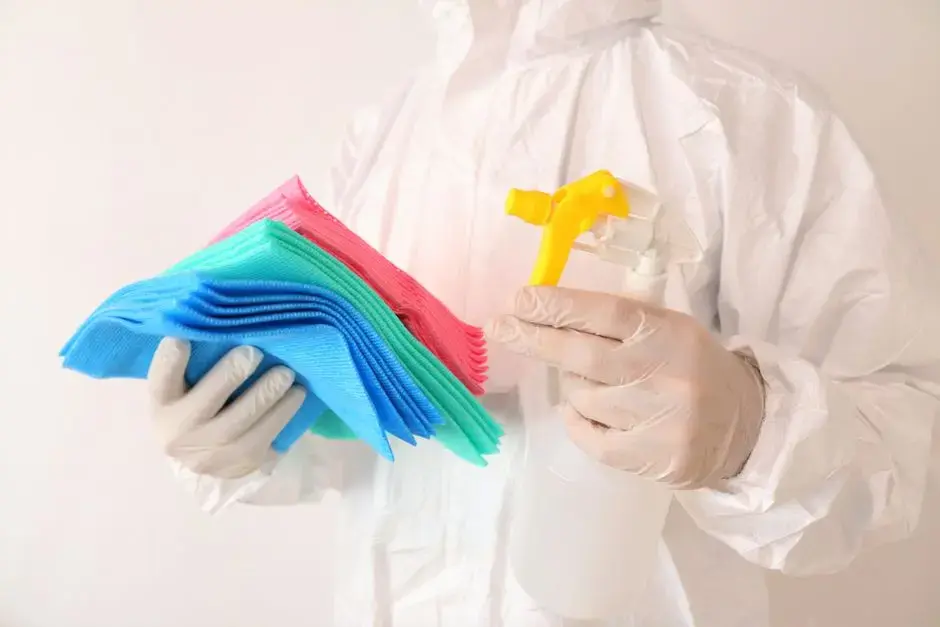
Understanding Bacterial Decontamination
Bacterial decontamination involves the removal or neutralization of harmful bacteria to prevent the spread of disease. This process can be achieved through various methods such as chemical disinfectants, heat, or UV light. Understanding these methods helps us to better prepare for effective cleaning operations. Chemical disinfectants, for instance, are often used to disrupt the cell walls of bacteria, effectively killing or inactivating them. Each method comes with its own set of advantages and limitations. For instance, while chemical disinfectants are effective, they may leave residues or require specific handling conditions. Heat, as another method, is a natural and efficient way to kill bacteria, especially when dealing with contaminated surfaces and equipment.
The science behind UV light disinfection has been making waves, particularly in settings requiring swift bacterial decontamination. UV light works by breaking the genetic material of bacteria, thus hindering their ability to multiply. Recent technological advancements have made UV lighting systems more accessible and portable, further supporting crisis cleaning efforts. This innovation reflects how technology continues to evolve, offering new tools for tackling age-old problems. By harnessing these technologies, crisis responders can significantly reduce the potential for bacterial spread.
The Role of Bacterial Decontamination in Crisis Situations
In crisis situations, the risk of bacterial infections increases, making decontamination a key component of crisis management. Effective decontamination reduces the spread of disease, safeguards public health, and aids in the overall recovery process. Whether it's after a natural disaster, where water sources may be compromised, or during a pandemic, quick and efficient bacterial decontamination efforts can prevent further deterioration of community health. The challenge lies in the ability to respond swiftly and adequately amidst chaos and fear, which often accompany these scenarios.
Public health officials often highlight the need for coordinated efforts when it comes to cleaning and decontamination. It's not just about cleaning visible dirt but eradicating unseen threats that hover on surfaces, waiting to infect vulnerable populations. Prevention of bacterial outbreaks requires vigilance and a proactive approach. Coordinated efforts among healthcare providers, local governments, and environmental services are vital to ensure efficient use of resources and expertise. Successful implementation of decontamination in crisis situations has been shown to dramatically reduce case numbers and lead to quicker recovery times. By working together, these diverse groups can create a safer environment for everyone involved.
Methods and Technologies for Effective Decontamination
Technology plays a significant role in enhancing decontamination efforts. Modern methods include the use of advanced disinfectants, automated cleaning technologies, and monitoring systems to ensure comprehensive bacterial elimination. Automated technologies, such as cleaning robots, can reach and sanitize areas that may be inaccessible or too risky for humans. These technologies improve both the effectiveness and efficiency of decontamination processes, allowing for quicker turnaround times in reopening previously contaminated areas. Furthermore, monitoring systems provide valuable data that can guide ongoing efforts and confirm when areas have met safety standards.
The development of these tools is often driven by research into the mechanisms of bacterial spread and survival. Innovations such as electrostatic sprayers have revolutionized the application of disinfectants, ensuring even distribution across surfaces, which is vital for thorough cleaning. These sprayers use a specialized solution charged with positive ions that are attracted to negatively charged surfaces, minimizing the chance of missed spots and ensuring a more comprehensive treatment of affected areas. This technology, along with remote monitoring, allows for real-time adjustments to cleaning operations, ensuring that best practices are consistently applied.
Implementing Bacterial Decontamination in Crisis Cleaning Protocols
Incorporating thorough bacterial decontamination into crisis cleaning protocols ensures the safety of both workers and the general public. Training and equipping cleaning personnel with the necessary tools and knowledge are essential for effective implementation. Staff must be well-versed in the operation of equipment and the correct application of disinfectants. Regularly updated training programs prepare workers to act confidently and competently in crisis scenarios, giving them the skills needed to react appropriately to various situations.
Crisis cleaning protocols that emphasize bacterial decontamination also need to address the psychological effects on cleaning personnel. Understanding that front-line workers play a crucial role in public safety can enhance morale and effectiveness. Safety measures, including proper personal protective equipment (PPE) and mental health support, are crucial in maintaining a dedicated and healthy workforce. By making sure personnel feel supported and are equipped with the latest knowledge and tools, organizations can bolster cleaning efforts and, ultimately, protect public health more effectively.
Why Prioritizing Bacterial Decontamination Matters
Bacterial decontamination is not just a step in the cleaning process during crises—it's a critical component that ensures safety and health. By understanding its importance and implementing effective decontamination methods, communities can better protect themselves and recover faster. Whether you're a professional cleaner or someone trying to maintain a safe environment, recognizing the role of bacterial decontamination can make all the difference. For comprehensive solutions to your decontamination needs, visit BioDecon LLC to learn more.


Comments