

10 Tips for Handling Vomit Cleanup Safely and Efficiently
- Hench Ludwig
- Sep 21, 2025
- 3 min read

Cleaning up vomit can be an unpleasant task, but it's often unavoidable. Knowing the right techniques can make the job easier and ensure that it’s done safely and efficiently. Let’s explore some tips that will leave your space clean and hygienic without stress.

1. Start with the Right Protective Gear
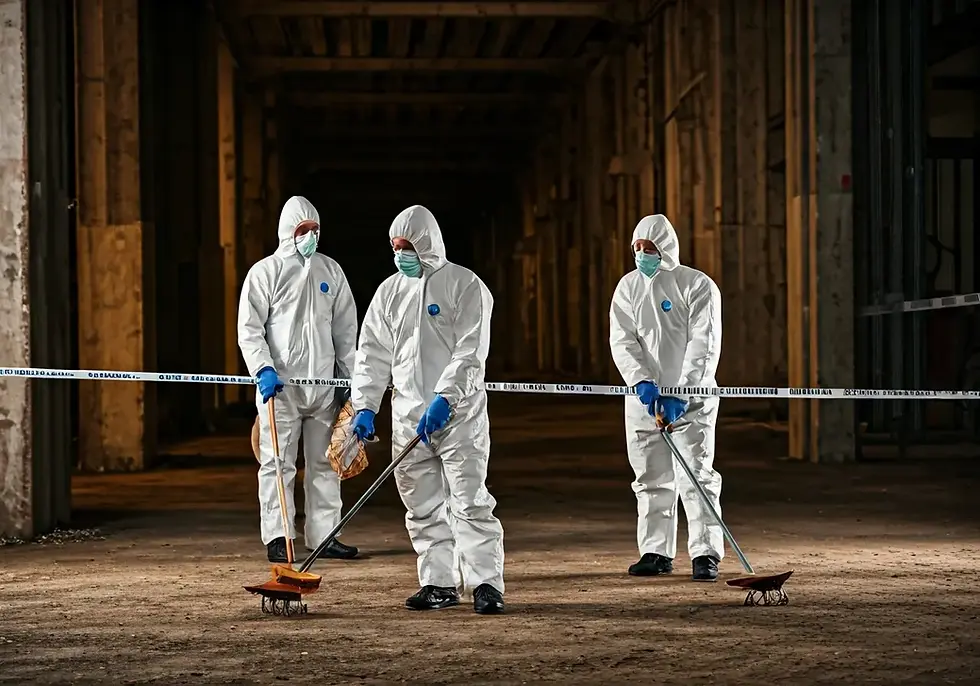
Before you begin any cleanup, it's important to gear up with protective clothing, such as gloves and a disposable apron. This minimizes contact with the mess and protects your skin from any harmful bacteria.
It's not just about keeping your clothes clean—protective gear acts as a barrier between you and potential pathogens present in vomit. Items like goggles can prevent splashes from reaching your eyes, making the process much safer. Picking the right gear is all about balancing protection and comfort to ensure you can work efficiently.
2. Use Absorbent Materials First
Immediately cover the area with paper towels or an absorbent powder to soak up excess moisture. This makes the cleanup process more manageable and reduces the risk of spreading.
Materials such as cornstarch or baking soda can be lifesavers in maintaining a controlled environment as you work on removing the stain. These substances absorb moisture rapidly and can even help neutralize odors. Quick absorption is crucial to preventing the stain from setting and becoming more difficult to clean.
3. Gently Remove Solids
Use a disposable spatula or plastic scraper to carefully lift solids from the surface. Make sure to do this gently to avoid smearing the mess further.
The key to efficiently removing the solids lies in the technique—ensure you have the right angle and pressure when scooping to avoid worsening the spread. Consider using a paper plate to temporarily collect these remnants, which later makes for easy and contained disposal.
4. Prepare a Cleaning Solution
Mix a solution of water and mild detergent or vinegar to tackle any remaining residues. This is effective for breaking down any leftover particles and sanitizing the area.
For stubborn stains, a solution with appropriate vinegar concentration can work wonders, as it naturally breaks down proteins and neutralizes odors. Investing effort in this step contributes significantly to overall cleanliness and sanitation, providing peace of mind that the area is truly sanitized.
5. Disinfect the Affected Area
Apply a disinfectant spray or bleach solution to kill bacteria and germs. Be sure to leave it on for the recommended time to ensure effectiveness.
This step is crucial in ensuring that all germs are eliminated. Products containing chlorine bleach are particularly effective, but it's essential to ventilate the area properly during application to avoid inhalation of fumes. Proper disinfection not only ensures a clean environment but also prevents any potential health issues from lingering bacteria.
6. Rinse and Dry the Surface
After disinfecting, rinse the area with clean water and dry it thoroughly. This prevents any moisture-related issues like mildew or mold.
Ensure that every corner of the cleaned area is thoroughly dried. Excess moisture can create a breeding ground for bacteria and mold, leading to more arduous cleaning tasks down the line. Using a dry cloth or paper towels will suffice, leaving the surface spotless and ready for regular use.
7. Properly Dispose of Waste
Seal all cleaning materials and waste in a plastic bag before disposing of them. This helps contain the odor and prevents contamination.
Waste disposal is not just about getting rid of the mess—it's about ensuring containment and minimization of contamination. Reinforcing waste bags or lining with additional layers can prevent leaks and odors. This responsible disposal prevents any revisiting of the cleanup in the future.
8. Ventilate the Space
Open windows or use a fan to ventilate the area. This helps eliminate any lingering odors and freshens the air.
Airing out the space is more than just removing odors—it's about reassessing the cleanliness and ensuring the room is ready for healthy interaction. Allow ample time for air exchanges, which will dissipate cleaning solution remnants and restore a neutral smelling environment.
9. Keep Essential Supplies Handy
Store cleaning supplies in an easily accessible location, so you’re always prepared for an emergency cleanup. This reduces stress and aids in quicker response times.
Having a dedicate cleaning supplies closet or box with essentials like gloves, disinfectants, and paper towels can drastically reduce the time required to handle accidents. Being prepared makes any unexpected scenario much less daunting, ensuring efficiency and peace of mind.
10. Educate and Prepare for Future Mishaps
Share these tips with family members or colleagues to ensure everyone knows how to handle such situations efficiently. Having everyone on the same page promotes a faster collective response.

Comments