

What You Need to Know About Trauma Cleanup Services for Effective Recovery
- Hench Ludwig
- Dec 10, 2025
- 4 min read

Dealing with the aftermath of a traumatic event can be overwhelming. It’s not just emotionally taxing but also physically demanding when it comes to cleaning up the site. Trauma cleanup services are a specialized solution designed to ease this burden. In this blog, we'll explore what these services entail, why they are crucial, and how they can support effective recovery.

Understanding the Role of Trauma Cleanup Services
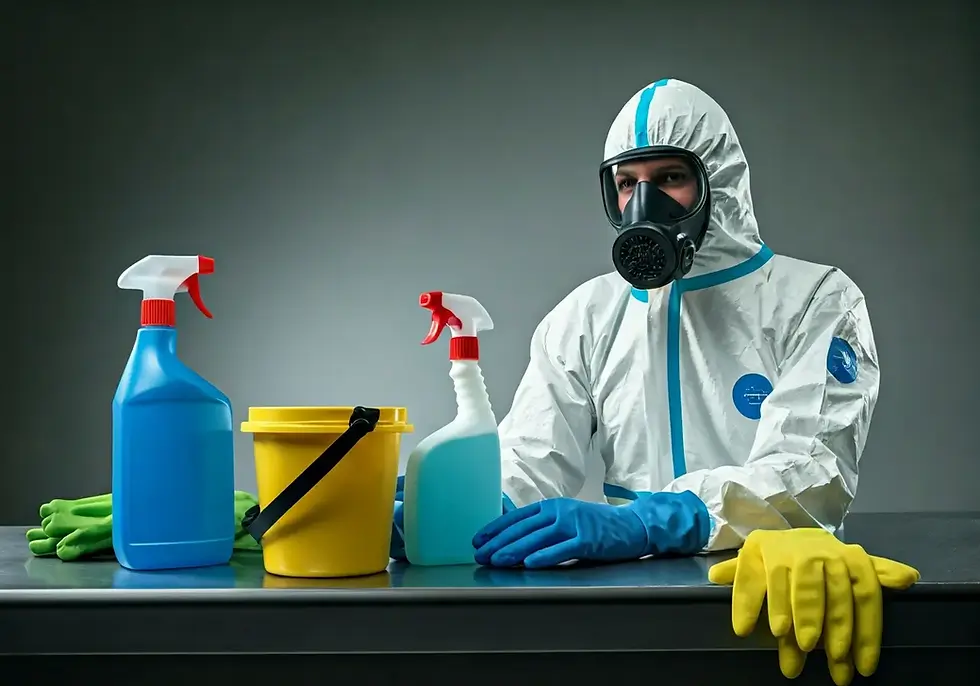
Trauma cleanup services focus on restoring safety and cleanliness to a site impacted by a traumatic event. Their role goes beyond mere cleaning; they are responsible for handling hazardous materials and ensuring the environment is safe for inhabitants. Often, these professionals are called upon after incidents such as accidents or crimes, which might leave behind dangerous biowaste. It's crucial to address these hazards quickly because they can pose significant health risks if not dealt with properly.
In essence, trauma cleanup specialists work with care and precision. Their work ensures that affected areas are returned to a livable condition, adhering to health and safety regulations. Beyond the technical aspects, they also bring a layer of sensitivity to their work, understanding that they are entering spaces that could be emotionally charged for the inhabitants. For more information on the critical nature of cleaning hazardous materials, you can explore the importance of biohazard cleaning.
Why Professional Cleanup is Essential
Professional cleanup is crucial because it involves more than just tidying up. It ensures that biohazards like blood or bodily fluids are properly handled and disposed of. This prevents potential health risks and aids in the swift restoration of the affected environment. Without professional intervention, amateur cleaning attempts can risk incomplete decontamination and further spread pathogens, which could exacerbate health hazards within the space.
Moreover, professional services possess the necessary equipment and training to handle waste that is classed as 'contaminated' or 'hazardous'. This includes understanding the proper protocols for transportation, storage, and disposal, all of which are regulated by state and federal laws. Utilizing these services not only ensures compliance but also provides peace of mind knowing the area is restored correctly. To delve into how professionals handle such complex cleanups, you might find this insight on biowaste management techniques enlightening.
The Process of Trauma Cleanup
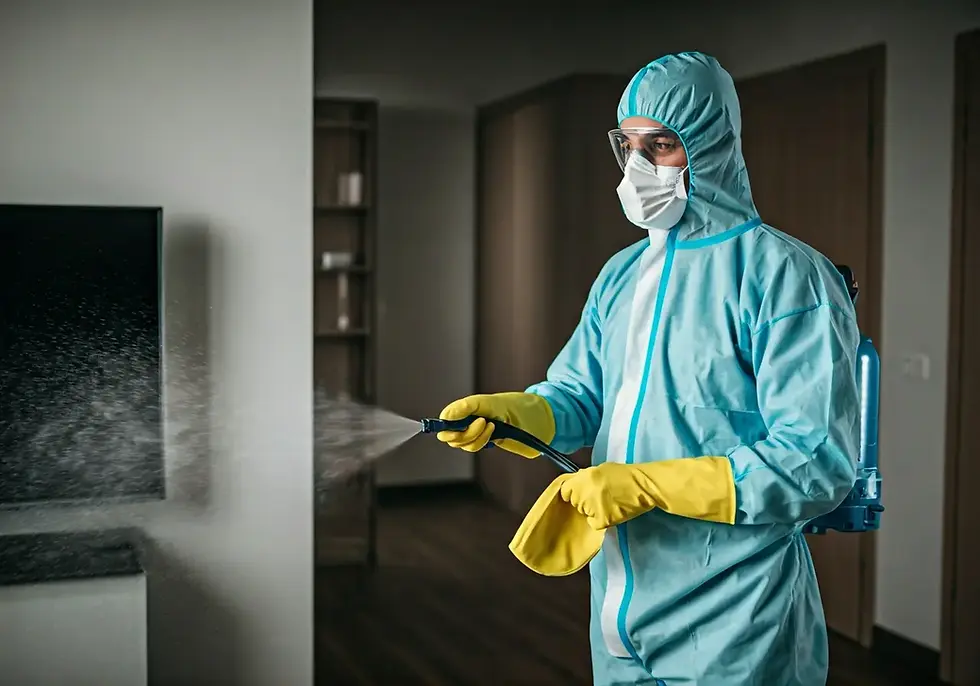
The cleanup process usually starts with an assessment of the scene, followed by the removal of hazardous materials, deep cleaning, disinfection, and deodorization. A professional service will have the necessary equipment and expertise to do this thoroughly and safely. The assessment stage is critical as it allows the cleanup team to understand the scope of the challenge and prepare accordingly.
Once the assessment is complete, technicians begin by carefully removing any biohazards. This step is followed by intensive cleaning and disinfection to eliminate all traces of contaminants. Deodorization often concludes the process, especially necessary in cases where smells could trigger traumatic memories or simply for sanitary reasons. This multi-step approach not only restores an area physically but also emotionally, as it helps victims reclaim their space. You can explore different cleaning techniques used for complex trauma scenes to understand the depth of precision involved.
Choosing the Right Trauma Cleanup Service
When selecting a trauma cleanup service, consider factors such as certification, experience, and reviews. It’s important to choose a company that operates with empathy and professionalism to ensure a respectful restoration of your space during such a sensitive time. Certification, such as compliance with OSHA standards, indicates a commitment to adhering to legal and ethical guidelines.
Experience speaks volumes in this industry. Companies with extensive backgrounds have usually encountered a variety of situations, equipping them with the insight needed to handle future challenges adeptly. Moreover, reviews can provide real-world insights into the company's reliability and customer satisfaction levels. Checking these can help protect you from subpar services, ensuring your choice aligns with expectations and needs. For a deeper exploration into what standards a cleanup company should meet, consider this guide to selecting biohazard services.
Support Beyond Cleaning
Some trauma cleanup services offer additional support, like helping families connect with counselors or other resources. This holistic approach can be invaluable in guiding survivors through both the physical and emotional journey to recovery. Offering more than just cleaning, these companies can also provide support through the bleak aftermath, such as assistance with insurance claims or connecting to attorneys for legal guidance.
By going beyond what is expected, trauma cleanup services become integral to a community's healing process. They recognize the importance of emotional recovery and provide resources that can ease the transition back to normalcy. This comprehensive service not only deals with the immediate aftermath of trauma but also contributes to long-term healing. Engaging such services can provide families with a lifeline during challenging times—to learn more about integrative approaches, take a look at how support networks significantly aid recovery.
Wrapping Up
Understanding trauma cleanup services is an essential step towards effective recovery after an unfortunate event. These professionals are equipped to handle the physical and emotional complexities of a trauma scene, allowing you and your loved ones to focus on healing. Always prioritize safety and compassion, and don’t hesitate to reach out to specialists who are trained to restore your space and bring peace of mind. You can learn more and contact professionals for assistance.

Comments