

Keeping New Jersey Safe: How Infectious Disease Cleanup Works
- Vladimir balog
- Apr 8
- 3 min read

Infectious diseases pose a serious threat to communities, and keeping environments safe and clean is crucial, especially in densely populated areas like New Jersey. Infectious disease cleanup plays a pivotal role in maintaining public health standards. This blog will explore the methods and importance of infectious disease cleanup, offering insights into how these processes help in safeguarding our communities.

Understanding Infectious Disease Cleanup
Infectious disease cleanup involves a thorough process of cleaning, disinfecting, and decontaminating areas that are exposed to harmful pathogens. These services are essential for preventing the spread of infectious diseases, ensuring that spaces are safe for everyone.
The process of infectious disease cleanup often begins with an initial assessment of the affected area. This step is critical as it helps determine the scope of the contamination. Specialists in this field are trained to identify the types of pathogens present, which could range from bacteria and viruses to fungi. Identifying these threats early enables a targeted cleanup approach, reducing the chance for any pathogen to go unnoticed.
Key Procedures in Disease Cleanup
The cleanup process usually involves several steps, including the initial assessment, containment, removal of harmful substances, and the disinfection of the affected area. Each step is crucial in ensuring that all pathogens are effectively eliminated.
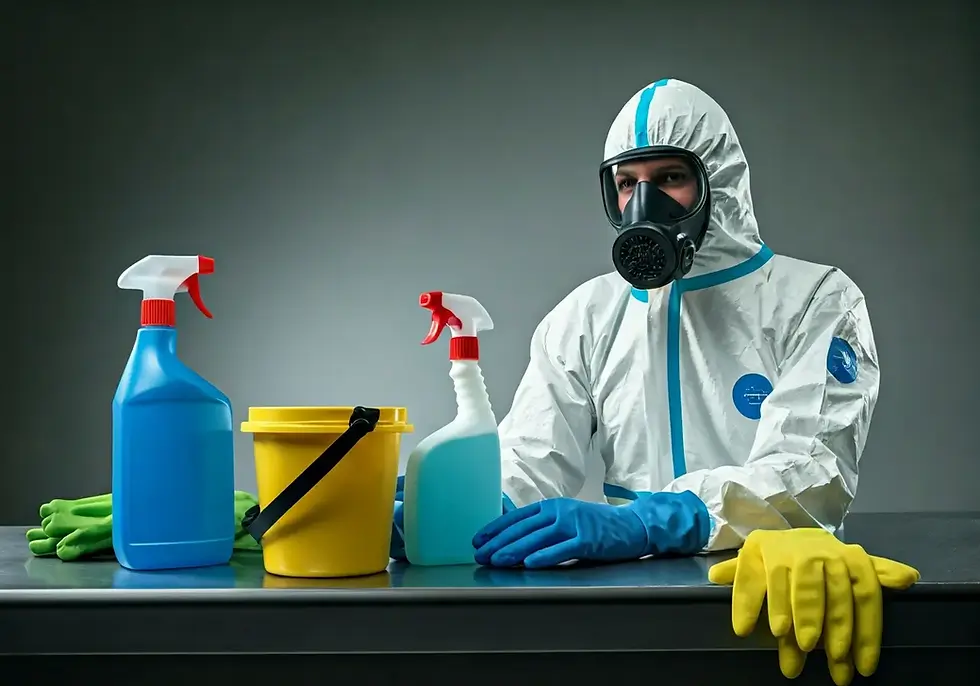
Containment is a crucial step in infectious disease cleanup. It involves isolating the contaminated area to prevent cross-contamination and the further spread of infectious agents. Technicians use specialized equipment such as negative air machines and biohazard suits to create and maintain a contained environment, ensuring that harmful pathogens remain within a controlled zone.
Once containment is achieved, removal of hazardous materials is performed meticulously. This step not only involves physically cleaning surfaces but also safely disposing of waste that might harbor infections. This includes items like personal protective equipment (PPE), cleaning rags, and any other objects that may have come into contact with pathogens. Proper disposal is regulated by governmental guidelines to ensure community safety.
The Role of Professional Cleanup Services
Professional cleanup services have the expertise and equipment necessary to handle infectious diseases safely. They follow strict guidelines and protocols to minimize the risk of infection, using specialized tools and protective gear to manage contaminated environments.
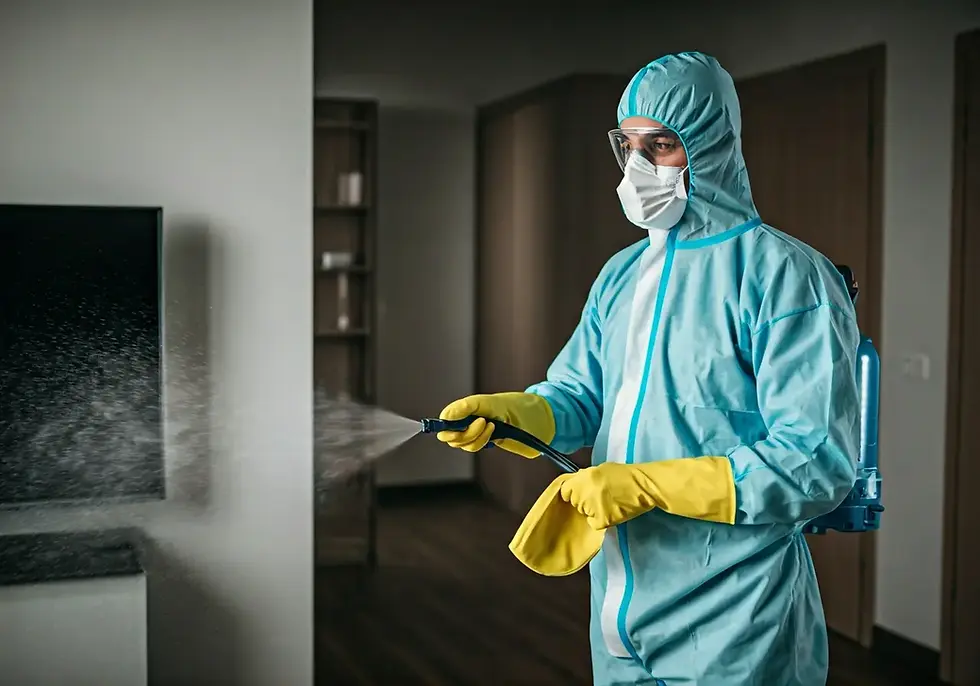
One of the primary reasons to rely on professional cleanup services is their access to commercial-grade disinfectants and equipment. Unlike typical cleaning substances, these disinfectants are designed to eliminate a wide range of pathogens effectively. Professionals are also trained in the use of advanced equipment such as electrostatic sprayers, which ensure an even distribution of disinfectant on all surfaces, leaving no room for pathogens to thrive.
Why New Jersey Needs Rigorous Cleanup Standards
Given its dense population and diverse community, New Jersey requires rigorous disease cleanup standards to prevent outbreaks. Effective cleanup not only protects public health but also assures residents that their safety is a priority.
The bustling nature of New Jersey, with its numerous public transportation systems, crowded urban areas, and a plethora of public spaces, makes it a challenge to keep infectious diseases at bay. Rigorous cleanup standards are put in place not just for routine safety but also in response to specific outbreaks or health threats. These standards often involve coordination between local health authorities and private cleanup services to ensure a rapid and comprehensive response to any incident.
How Individuals Can Contribute to Safety
While professional services are vital, individuals also play a role in maintaining cleanliness. Practicing personal hygiene, staying informed, and following public health guidelines can significantly contribute to community safety.
Individual efforts are equally important in combating the spread of infectious diseases. Actions such as frequent hand washing, wearing masks in crowded places, and ensuring proper vaccination can drastically reduce the risk of infections. Community education campaigns often highlight these practices, empowering residents to take active roles in public health.
Protecting Our Communities through Effective Cleanup
Infectious disease cleanup is a critical component of public health safety. By understanding how these cleanup processes work, we can appreciate the extensive measures taken to ensure our environment remains safe. New Jersey, like many other states, relies on these meticulous efforts to protect its residents, highlighting the importance of both professional services and community awareness in keeping diseases at bay.

Comments