

10 Steps to Effective Infectious Disease Cleanup in New Jersey
- Hench Ludwig
- Dec 21, 2025
- 5 min read

In the wake of infectious disease outbreaks, ensuring effective cleanup is essential to prevent further spread and safeguard public health. This guide provides a comprehensive walkthrough for handling infectious disease cleanup in New Jersey efficiently and safely. Whether you're a professional cleaner or someone looking to understand the process, these steps will ensure you're well-informed and prepared.

1. Understanding the Importance of Proper Cleanup
Proper cleanup after an infectious disease outbreak is crucial to prevent further transmission and protect public health. This involves not just cleaning but also disinfecting affected areas thoroughly. It's important to recognize that pathogens can linger on surfaces for varying durations, necessitating comprehensive measures. An effective cleaning process limits the opportunities for viruses and bacteria to spread, thereby safeguarding individuals who may enter the affected areas later. The need for cleanliness extends beyond superficial treatment; materials and surfaces must be cleaned to ensure that sanitization efforts are truly effective.
For a successful infectious disease cleanup, it is imperative to consider all potential sources of contamination, including hard-to-reach places. Maintaining high standards requires both meticulous attention to detail and adherence to protocols prescribed by health authorities. This foundational understanding not only influences the immediate safety of an environment but also promotes long-term health standards, ultimately contributing to a healthier society.
2. Assessing the Situation
Begin by assessing the extent of contamination and identifying the areas that need immediate attention. This step helps in planning the necessary resources and actions for effective cleanup. A thorough assessment involves observing the environment closely and determining the scope of infection spread. Evaluate the types of surfaces, the frequency of contact, and any visible signs of contamination. Pay close attention to high-contact areas such as door handles, switches, and communal spaces, as these are often points of transmission.
Clear documentation of your assessment findings is beneficial. This written record facilitates informed decision-making and can serve as a reference during the cleanup and beyond. Additionally, understanding the type of pathogen involved shapes the choice of cleaning agents and procedures, thereby customizing the approach for maximum efficacy. Therefore, a comprehensive assessment not only outlines the immediate steps but also underscores a strategic plan for effective resolution.
3. Gathering Essential Supplies
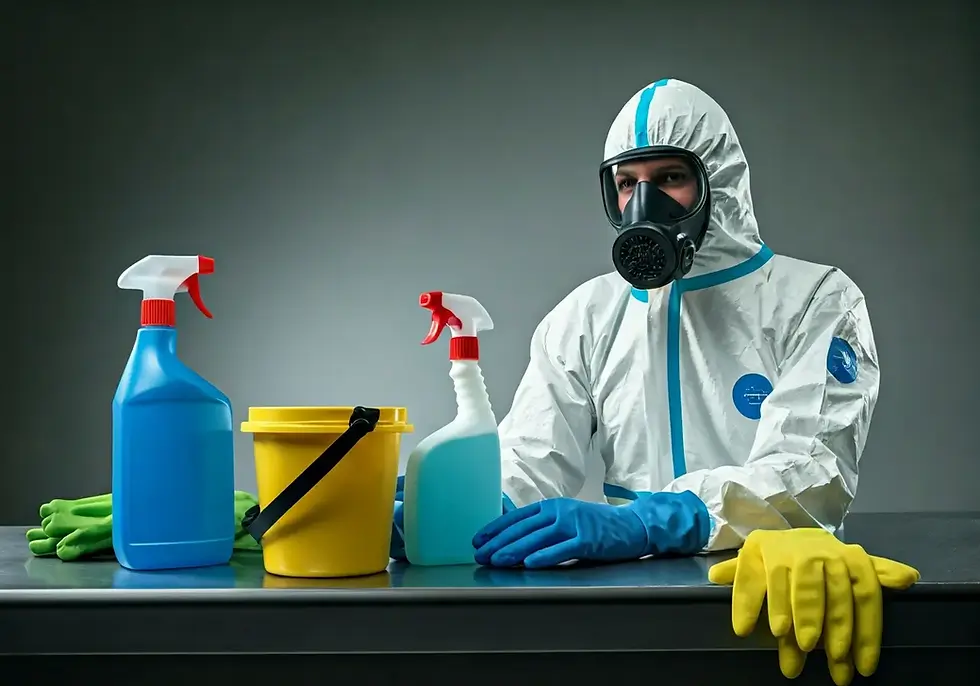
Equip yourself with personal protective equipment including masks, gloves, and gowns. Prepare appropriate cleaning and disinfecting agents that are effective against the pathogens involved. Ensuring the availability of high-quality PPE is paramount—these items not only protect the cleaner but also prevent further spread of pathogens. Choose cleaning agents that are known to combat the specific pathogens in question. For example, some disinfectants are effective against viruses like influenza while others may target bacterial strains.
Moreover, having a steady supply of these essentials ensures continuity in the cleaning process, preventing disruptions that could compromise results. Beyond availability, it is critical to understand the correct usage parameters of each supply. This includes recognizing the appropriate concentrations for disinfectants and the correct disposal methods for used PPE, ensuring both efficacy and compliance with safety regulations.
4. Isolating Contaminated Areas
It is vital to isolate the contaminated areas to prevent the spread of pathogens to clean zones. Use barriers or signage to limit access. A systematic approach to isolation significantly reduces the risk of cross-contamination. Establish distinct zones within the affected area: a "red" zone for contaminated areas, and a "green" zone as a buffer where cleaned items can be kept. Making this differentiation is essential for a structured cleanup process, allowing personnel to focus efforts more effectively.
Considering the psychological aspect, clear and concise signage informs and reassures people, minimizing unnecessary panic or confusion. This transparency is particularly beneficial in shared spaces and community settings. The overall objective of isolating contaminated areas is to create a controlled environment where the risk of infection spread is minimized, supporting both the cleanup crew and those indirectly affected by the cleanup process.
5. Cleaning Surfaces Thoroughly
Start with a thorough cleaning of all surfaces. This initial step removes dirt and organic material, allowing disinfectants to work more effectively. When tackling large spaces, divide the area into manageable sections, ensuring that no part is overlooked. Use appropriate cleaning tools such as microfiber cloths and brushes that can reach into crevices and corners. Applying precision in cleaning assures that subsequent disinfection is not simply a superficial application but an effective action against pathogens.
Keep in mind that some surfaces might need special attention. For instance, porous materials such as carpets and upholsteries may harbor pathogens more deeply than hard surfaces. In these cases, investing time in deep cleaning strategies, possibly involving steam-cleaning methods, proves beneficial. Utilizing a combination of manual and mechanical cleaning ensures comprehensive coverage, laying the groundwork for successful disinfection.
6. Applying the Right Disinfectants
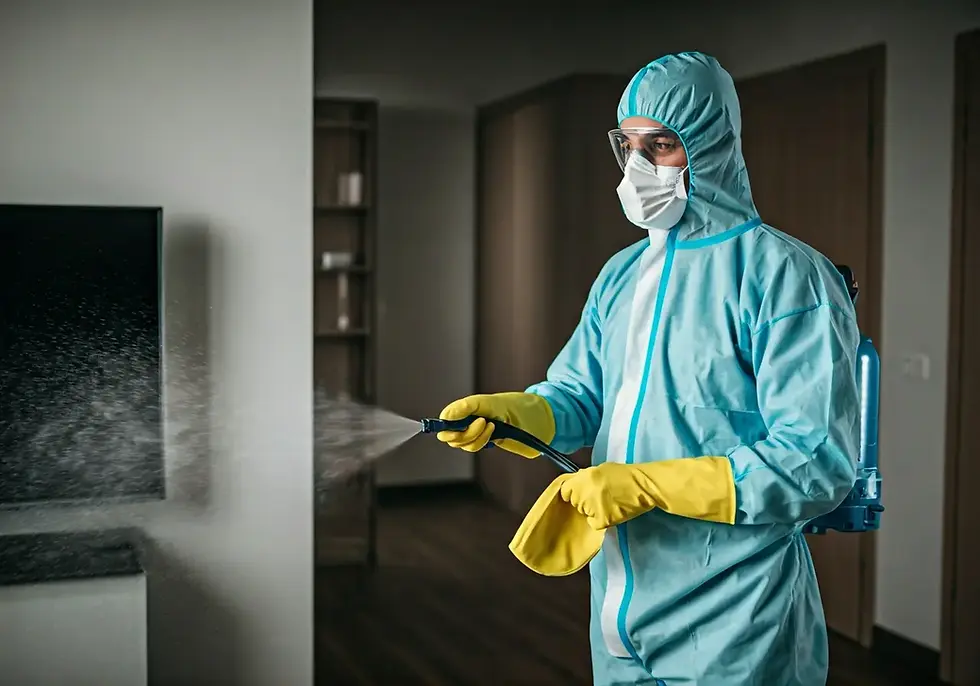
Use EPA-approved disinfectants known to work against specific pathogens. Follow manufacturer instructions to ensure the efficacy of the disinfection process. The choice and application of a disinfectant are crucial, as mismatched or improperly applied chemicals may not have the desired effect. Attention to detail in this step ensures comprehensive eradication of contaminants, promoting a safer environment post-cleanup.
Set aside adequate contact time for disinfectants to act effectively. Often this is a step mistakenly rushed due to time constraints. However, respecting the recommended duration ensures that the disinfectant can destroy the pathogens fully. Complement this practice with proper dilution ratios and application techniques, maximizing the chemical’s potential while maintaining safety standards for those applying the chemicals.
7. Safe Disposal of Contaminated Materials
Dispose of contaminated waste following local regulations to prevent further exposure. Use biohazard bags for safe and compliant disposal. This step is essential in preventing the reintroduction of pathogens into the environment. Following disposal protocols is crucial for maintaining safety and regulatory compliance. Adherence to state and local disposal guidelines ensures that waste is managed safely without posing additional environmental or health risks.
Educating cleanup teams about proper disposal techniques and the importance of biohazard labeling significantly enhances safety measures. Training helps prevent accidents or contamination incidents, safeguarding both the cleanup team and the broader community. Recognize that biohazard waste might include gloves, masks, cleaning cloths, and other items that came into direct contact with pathogens.
8. Handling Textile and Upholstery
Launder textiles at the highest temperature appropriate for the fabric. If the items are not washable, consider alternative disinfection methods. Proper handling of textiles is pivotal, as fabrics can act as reservoirs for pathogens. Opt for hot water and dryers set at maximum heat, as higher temperatures help in deactivating a wide range of pathogens.
For non-washable items, employing steam cleaning or chemical disinfectants adapted for fabric use proves effective. Consider professional services if dealing with high-value or delicate items. Such specialists possess tools and expertise tailored for specific fabric disinfection needs. Paying attention to upholstery and textiles as part of the cleanup process ensures nothing is left to chance in the fight against infectious diseases.
9. Ensuring Proper Ventilation
Improve air circulation in the cleaned areas to reduce airborne pathogens. Use air filtration systems if necessary to enhance air quality. Ventilation plays a vital role in diluting and removing airborne contaminants. By opening windows or using fans, you can markedly improve air exchange rates in confined spaces.
In situations where natural ventilation is insufficient or impractical, utilizing HEPA filters or professional-grade air purifiers closes the gap, capturing microorganisms and allergens that regular cleaning might miss. Understanding how to manipulate air pathways and harness technology for air quality improvement deepens the effectiveness of the overall cleanup strategy, contributing to healthier indoor environments.
10. Conducting a Final Inspection
After cleanup, perform a final inspection to ensure all areas meet cleanliness and safety standards. Address any missed spots or persistent contamination. This last step verifies that no aspect of the cleanup was overlooked. A keen eye is necessary to spot areas that might require further treatment, ensuring the comprehensive success of cleaning efforts.
Use criteria-based checklists to guide your inspection, evaluating both the visual aspects and the potential unseen threats. Enlist the help of additional team members to inspect more thoroughly, fostering a culture of accountability. By rigorously inspecting the cleaned areas, the cleanup team ensures that a high standard of health and safety is achieved, laying the groundwork for effective infection prevention in the future.

Comments