

Safe and Effective Biohazard Cleaning Techniques
- Hench Ludwig
- Nov 23, 2025
- 4 min read

Dealing with biohazardous materials can be daunting, but understanding safe cleaning techniques is crucial for ensuring both personal safety and environmental well-being. This blog will guide you through the essential steps and considerations for handling and cleaning biohazards effectively.
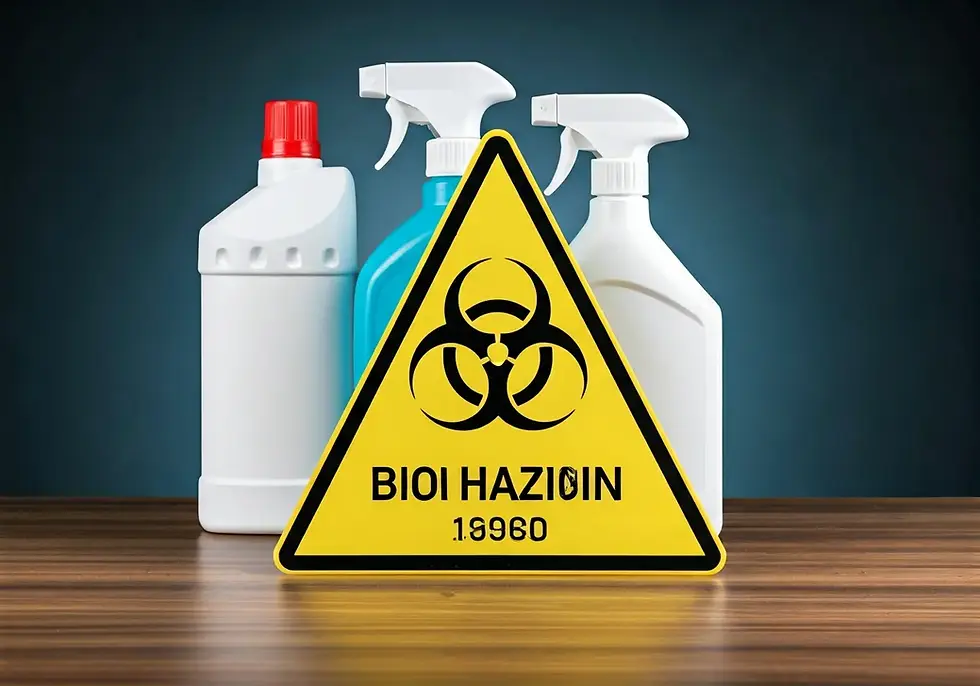
Understanding Biohazards and Their Risks
Before diving into cleaning techniques, it's essential to recognize what biohazards are and the potential risks they pose. Biohazards include any biological substances that can harm humans or the environment, such as blood, body fluids, and infectious agents.
The risks associated with biohazards vary widely depending on the material and the exposure level. Some can cause mild irritation, while others are capable of severe illness and even death. For example, exposure to pathogens like SARS-CoV-2 requires particular attention due to its highly infectious nature. Understanding the specific risks associated with each type of biohazard helps in determining the adequate level of caution needed during cleaning protocols.
It is also essential to consider the environment where biohazardous exposure might occur. Scenarios can range from healthcare settings dealing with blood spills to crime scenes with body fluids or laboratories handling various pathogens. Each of these environments presents a unique set of challenges that require tailored cleaning approaches to ensure biohazard containment and protection for anyone involved.
Proper Personal Protective Equipment (PPE) for Biohazard Cleanup
Wearing the right PPE is crucial to protect yourself from exposure. Learn about the necessary equipment, including gloves, masks, eye protection, and protective suits, that form the first line of defense during biohazard cleaning.
The type of PPE required can vary significantly depending on the biohazard being addressed. For instance, dealing with airborne pathogens mandates the use of N95 respirators, while handling chemicals might necessitate full-body suits. The key to effective PPE use is not just selecting the right equipment but also ensuring it is worn correctly and that workers are educated in its use. Certification and training on how to don and doff PPE properly are crucial as improper handling can actually increase risk of exposure.
In some cases, additional safety gear like face shields and boot covers are warranted, especially in situations involving potential splashes or direct contact with contaminated surfaces. Reinforcement of all PPE guidelines through regular training sessions not only heightens safety but cultivates a culture of awareness and preparedness in environments where biohazard exposure is a possibility.
Step-by-Step Biohazard Cleaning Process
Detailed guidance on the cleaning process, from containment and cleaning solutions to proper disposal methods. Knowing each step ensures that the cleanup is both thorough and safe.
The first step in any biohazard cleaning situation is containment. This involves sealing off the affected area to prevent the spread of contaminants and limit exposure. Quick and effective cordoning forms the backbone of an efficient containment strategy. Once the biohazard is isolated, the next phase is the careful selection and application of cleaning agents appropriate to the specific type of contaminant being dealt with. Utilizing the right products is critical to effectively neutralizing biohazardous threats.
After initial disinfection, attention turns to the rigorous cleaning of all surfaces and potential exposure areas. This includes using absorbent materials and wipes to remove traces of contaminants. It is vital to follow the cleaning protocol with strict adherence to timing and contact periods prescribed by cleaning agents to ensure thorough deactivation of pathogens. Finally, once cleaning is complete, proper disposal of all materials and PPE used during the process must be conducted according to environmental regulations. This ensures no secondary contamination occurs.
Choosing the Right Cleaning Agents and Disinfectants
The importance of selecting the appropriate cleaning agents cannot be overstated. This section covers various disinfectants and their effectiveness against different types of biohazards, ensuring you choose the best option for the task at hand.
Selecting cleaning agents should first involve an understanding of the specific biohazard at hand. For example, bleach solutions are highly effective against a broad spectrum of pathogens, but may not be suitable for all surfaces or environments. Similarly, alcohol-based disinfectants can be effective against viruses but may not work as well on bacterial spores. When deciding on a disinfectant, factors such as contact time, ease of application, and material compatibility should be considered for optimal results.
There are also eco-friendly options available that ensure safety without sacrificing effectiveness. Many suppliers now offer biodegradable cleaning products that target biohazards without introducing harmful chemicals to the environment. Choosing such sustainable options strikes a balance between effective cleaning and environmental responsibility. Comprehensive training on the use of these products, ensuring that application methods align with manufacturer guidelines, ultimately ensures the desired results in biohazard decontamination.
Legal and Environmental Considerations
Understanding the legal responsibilities during biohazard cleanup is vital to avoid potential penalties. This section discusses regulatory compliance, proper disposal practices, and the environmental impact of biohazard material management.
Different regions have specific laws governing the handling and disposal of biohazardous waste. These laws exist to protect public health and the environment from contamination that could arise from improperly managed biohazard materials. Compliance with these regulations is not optional; failure to adhere to them can result in severe fines and sanctions. Biohazard cleaning professionals must stay updated on these legal standards to ensure all processes are aligned with current legislation.
Beyond legal implications, there is also an ethical obligation to minimize the environmental impact of biohazard waste. Strategies such as reducing packaging waste, opting for recyclable materials where possible, and ensuring all waste is treated before disposal can significantly lessen the environmental footprint of cleaning activities. Building relationships with certified waste management facilities ensures that hazardous materials collected during cleanup do not harm our ecosystem when they are disposed of. These best practices support a sustainable approach to biohazard management and reinforce a commitment to environmental stewardship.
Ensuring Safety and Efficacy in Biohazard Cleanup
By adhering to these safe and effective biohazard cleaning techniques, you can protect yourself and others while ensuring a thorough and environmentally conscious cleanup. Remember, safety always comes first when dealing with potentially hazardous materials.


Comments