

How Can I Prevent Water Damage After a Disaster in New Jersey?
- Hench Ludwig
- Mar 15
- 3 min read

Experiencing a disaster can be overwhelming, and the threat of water damage adds an extra layer of stress. However, understanding the steps to prevent such damage can make the recovery process smoother. This guide will walk you through simple and practical ways to safeguard your home from water damage after a disaster.
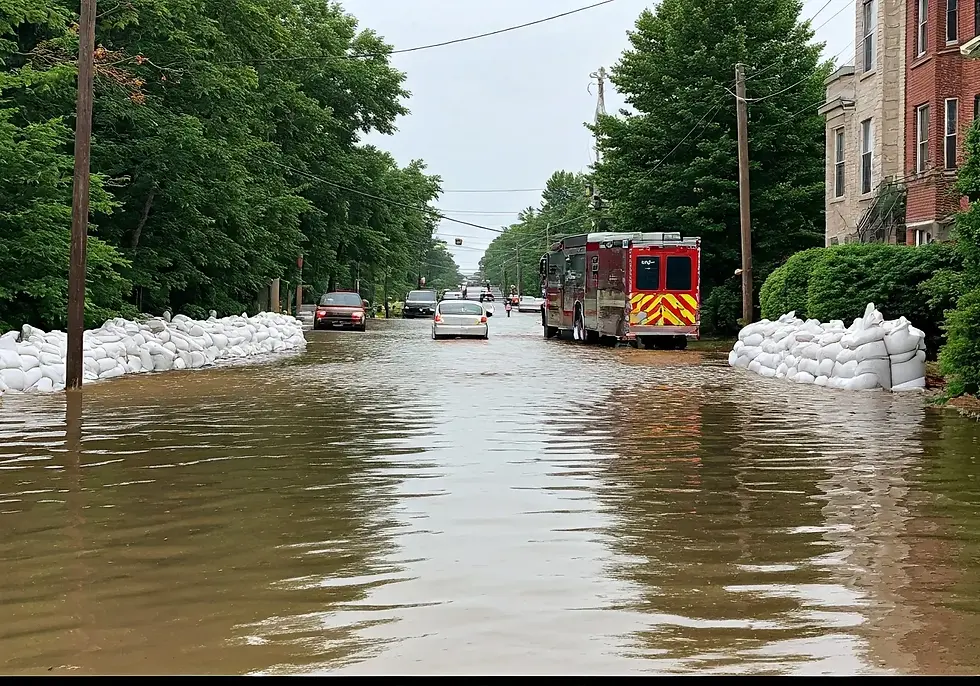
Assess Immediate Safety
Before worrying about water damage, ensure that your home is safe to enter. Look for structural damage and avoid floodwaters that might be contaminated.
It's crucial to be aware of hidden dangers that may not be immediately visible. Electrical hazards are a top concern; when water comes into contact with electrical wiring or appliances, it can pose a serious risk of electrocution. Always turn off electricity from a safe location before entering flooded areas.
Another aspect to consider is the potential contamination of floodwaters, which may contain harmful bacteria or chemicals. Always wear protective gear, such as gloves and boots, to minimize contact with such waters.
Inspect for Visible Damage
Check for leaks, cracks, and any signs of water entry. Inspect roofs, walls, and basements where water might have seeped in.
While inspecting, pay special attention to the roof, as damage there can lead to ongoing leaks and structural issues. Broken shingles or damaged flashing should be repaired promptly to prevent water from entering your home.
Basement areas are particularly susceptible to water entry. Make sure downspouts are directing water away from your home to prevent basement flooding.
Remove Standing Water
Quickly remove any standing water using pumps or wet vacuums to prevent further damage and mold growth.
Standing water can rapidly cause significant damage. If left unattended, it not only contributes to structural damage but also becomes a breeding ground for mosquitoes and other pests.
If the water depth is substantial, you might need to rent a commercial-grade pump. Smaller amounts can often be managed with a wet vacuum or even buckets, in a pinch.
Dry and Dehumidify the Area
Use fans and dehumidifiers to dry out the interiors. This step is crucial to prevent mold and mildew, which can flourish in moist environments.
To enhance airflow and speed up the drying process, open windows and doors if weather conditions allow. Cross-ventilation can effectively help in reducing indoor humidity levels.
Dehumidifiers are particularly helpful in closed spaces where open windows are not feasible. Choose a device size that matches the scale of the affected area for maximum efficacy.
Check for Hidden Moisture
Moisture can hide behind walls or under floors. Consider using moisture meters or infrared cameras to detect hidden dampness.
Hidden moisture can be particularly insidious as it may not be noticeable until significant damage has occurred, such as structural weakening or mold growth.
Hiring professionals equipped with advanced tools can help make sure all hidden moisture is discovered and managed appropriately.
Repair and Seal Damaged Areas
Once everything is dry, start repairing and sealing any leaks or cracks to prevent future water ingress.
Materials such as elastomeric sealants can provide durable protection against water ingress and are suitable for a variety of surfaces.
Regular maintenance checks and repairs can prevent small leaks from turning into major water damage issues in the future.
Consult Professionals
For severe cases, it’s wise to consult with water damage restoration professionals to ensure thorough remediation and advice on further prevention measures.
Professional help can also assist in dealing with insurance claims and help facilitate quicker restoration processes.
Companies like BioDecon LLC can provide comprehensive assessments and solutions tailored to your specific needs, ensuring your home is effectively safeguarded against future incidents.
Safeguarding Your Home Against Water Damage
Taking proactive steps to prevent water damage after a disaster can save you time, money, and stress in the long run. By assessing the damage, securing your property, and seeking professional help where necessary, you are not only protecting your home but also ensuring your safety and peace of mind. For comprehensive solutions, visit BioDecon LLC to learn more.


Comments